Evidence Based Therapy & Consultation - Specialized Services

Comprehensive DBT


DISCOVER MORE

DBT – Next Steps


DISCOVER MORE

Radically Open DBT


DISCOVER MORE

DBT Prolonged Exposure


DISCOVER MORE

Comprehensive DBT - Consists of 4 Components

1. Weekly Individual Therapy

  • Weekly individual therapy (typically 45–60 minutes):
    Sessions are structured using a Diary Card to help ensure that treatment targets are consistently addressed. In DBT, behaviours that are not targeted are less likely to change.
  • Therapist Qualifications:
    Individual therapists should have completed intensive DBT training, be a DBT-LBC Certified Clinician™, or receive ongoing supervision from a clinician who meets these qualifications.

2. Weekly DBT Skills Training Group

  • Weekly DBT skills training group (2 hours):
    Skills training groups are educational and structured in nature, rather than process-oriented therapy groups. Each session includes both the teaching of new skills and a review of weekly homework to support learning and real-world application.
  • Adult DBT:
    Research indicates that the best outcomes are achieved when adult clients complete two full cycles of the DBT skills training curriculum.
  • Adolescent DBT:
    Skills training is typically delivered as a Multi-Family Group, where adolescents and their caregivers attend together and learn the skills side-by-side.

3. Between-Session Phone Coaching

  • Between-session phone coaching:
    Support is available between sessions to help clients apply DBT skills in everyday situations and successfully generalise those skills to real-life stressors and challenges.

4. Clinician Consultation Team Meeting

  • Clinician Consultation Team Meeting:
    DBT clinicians participate in a weekly consultation team with other DBT therapists to receive support, maintain treatment fidelity, and ensure the highest standard of care for clients.

DBT Next Steps:

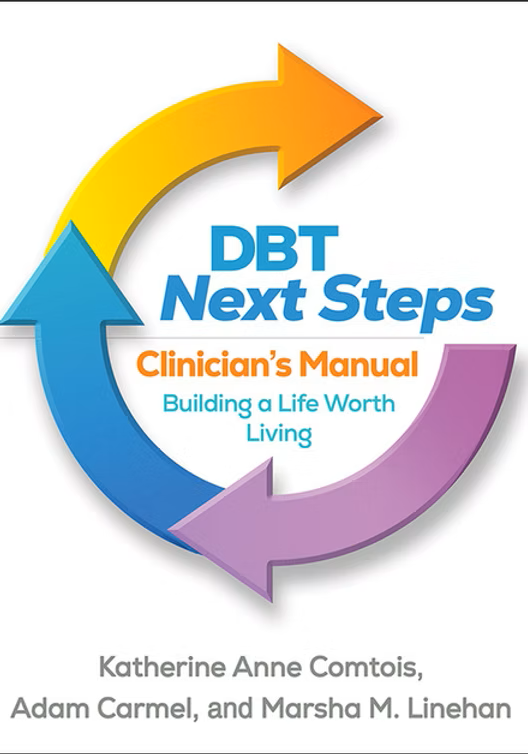
DBT Next Steps (formerly DBT-ACES) is an adjunctive treatment to Standard DBT designed to increase self-sufficiency. It is for those who have graduated from comprehensive DBT and are ready to live their skills more fully.

This phase moves beyond stabilization and focuses on integration, bringing mindfulness, emotion regulation, distress tolerance, and interpersonal effectiveness into daily life with greater confidence and flexibility.

Rather than simply knowing the skills, participants practice embodying them. DBT Next Steps supports continued growth by navigating complex emotions, deepening relational effectiveness, and aligning behaviors with long-term values.

This curriculum focuses on moving from surviving to thriving, deepening mindfulness, strengthening emotional steadiness, building courageous relationships, and responding to life with clarity, flexibility, and intention. The aim is to strengthen mastery, sustain progress, and build a life that feels not just manageable, but meaningful.

Key Principle

Growth is not linear. Mastery is not perfection.

If you have a client who has graduated from comprehensive DBT and is looking to continue strengthening all that they have learned, DBT Next Steps Group offers a way to support continued growth.

What Is Radically Open DBT (RO-DBT)?

Radically Open Dialectical Behavior Therapy (RO-DBT) is an evidence-based treatment developed by Dr. Tom Lynch and colleagues, designed for people who struggle with too much self-control and have difficulty with flexibility and being too rigid.

Self-control is usually seen as a strength. But when it becomes rigid perfectionism, emotional inhibition, or social withdrawal, it can lead to loneliness and chronic distress.

Overcontrol is often linked to conditions such as anorexia, obsessive-compulsive personality traits, chronic depression, anxiety disorders, and autism spectrum presentations.

RO-DBT helps people loosen rigid patterns, build authentic connection, and live with greater flexibility. Rather than focusing only on emotion regulation, RO-DBT targets social connection as the key pathway to healing.

Research shows that individuals who are highly overcontrolled often experience heightened threat sensitivity, making it harder to feel safe and connected with others.

RO-DBT teaches: flexible emotional expression, social signaling skills (both verbal and non-verbal), strategies that activate the brain’s social-safety system, and radical openness—the willingness to learn from feedback and step into the unknown.

Balanced Self-Control

The goal isn’t less self-control. It’s balanced self-control—so you can stay grounded while also feeling connected, open, and engaged in your life.

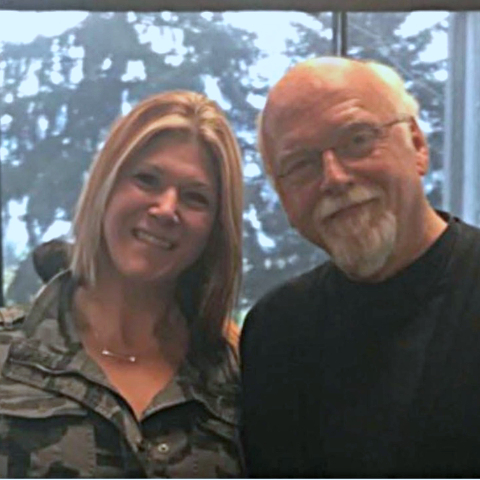
Dr. Tom Lynch & Dr. Kimberly Vay

DBT Prolonged Exposure (DBT PE)

DBT Prolonged Exposure (DBT-PE) is an evidence-based treatment for posttraumatic stress disorder (PTSD). Developed by Dr. Melanie Harned, it integrates standard Dialectical Behavior Therapy (DBT) with Prolonged Exposure therapy to safely process traumatic memories.

DBT-PE helps clients confront trauma memories in a structured, supported way, reducing fear, shame, and emotional reactivity. This allows you to take back control of your life.

Stability First

Clients first acquire and generalize DBT coping skills. Once stability is established, trauma processing begins within the DBT framework.

DBT-PE is especially helpful for individuals who:

  • Have PTSD related to childhood or repeated trauma
  • Struggle with self-harm or suicidal behaviors
  • Experience intense shame, fear, or avoidance related to traumatic memories
  • Have not fully improved with DBT alone

The goal of DBT-PE is not only to reduce PTSD symptoms, but to help individuals reclaim their lives—moving from surviving trauma to fully living beyond it.

If you are currently participating in Comprehensive DBT and are interested in trauma-focused work, DBT-PE may be an appropriate next step.